Engineering Infinite Voxel Worlds
At Voxel Quest Games, we discard traditional rendering shortcuts. We construct high-fidelity, systems-heavy simulation engines designed to empower the next generation of interactive emergent gameplay.
The Spark: Why We Build Worlds Out of Voxels
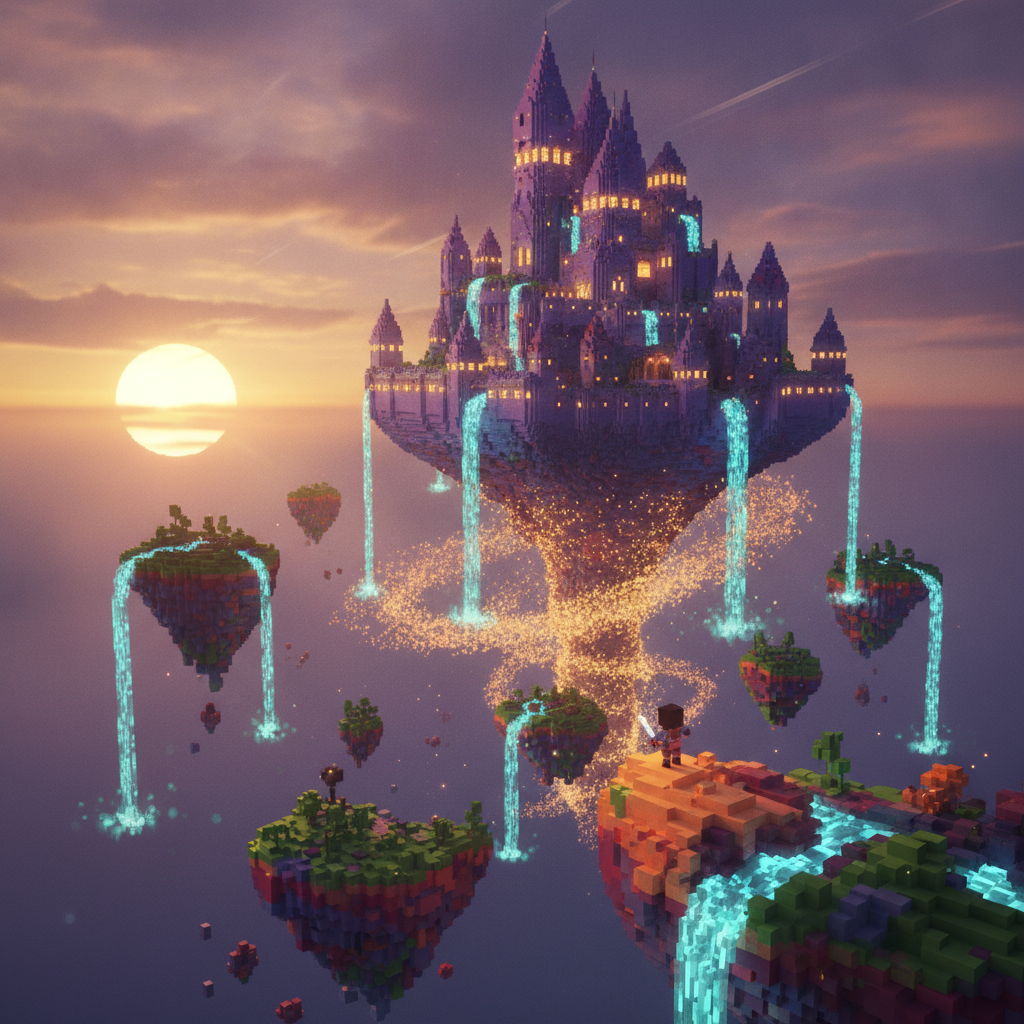
The limits of traditional polygonal rendering have long constrained emergent design. Game worlds are typically static shells—beautiful but rigid. Our journey began with a fundamental question: What if every microscopic element of the environment could be simulated, destroyed, and engineered in real time?
We chose voxels not merely as an aesthetic style, but as a mathematical framework. By representing space as three-dimensional volumetric pixels grouped in dynamic octree structures, we unlock absolute physical freedom. Every brick can shatter, every terrain stratum contains geological properties, and every asset responds dynamically to light, physics, and destruction vectors.
Voxel Quest Games was founded to bridge the gap between high-performance systems engineering and imaginative structural design. We build games for the critical thinker, the curious architect, and the player who demands physical authenticity from virtual universes.
Meet the Architects
Our multidisciplinary collective consists of hardware engineers, rendering specialists, procedural designers, and technical systems artists. We compile our dreams into executable realities.
Marcus Thorne
A veteran compiler engineer who spent fifteen years optimizing low-level physics engines before establishing Voxel Quest. Marcus oversees our core engine development and spatial partitioning algorithms.
Aria Vance
Aria bridges mathematical structure and visual high-fidelity. She designed our proprietary volumetric lighting model, which calculates real-time light propagation through shifting voxel fields.
Devon Sterling
Specializing in procedural generation algorithms and complex simulation loops, Devon constructs the behavioral logic that populates our infinite, procedurally generated solar systems.
A Culture of High Performance
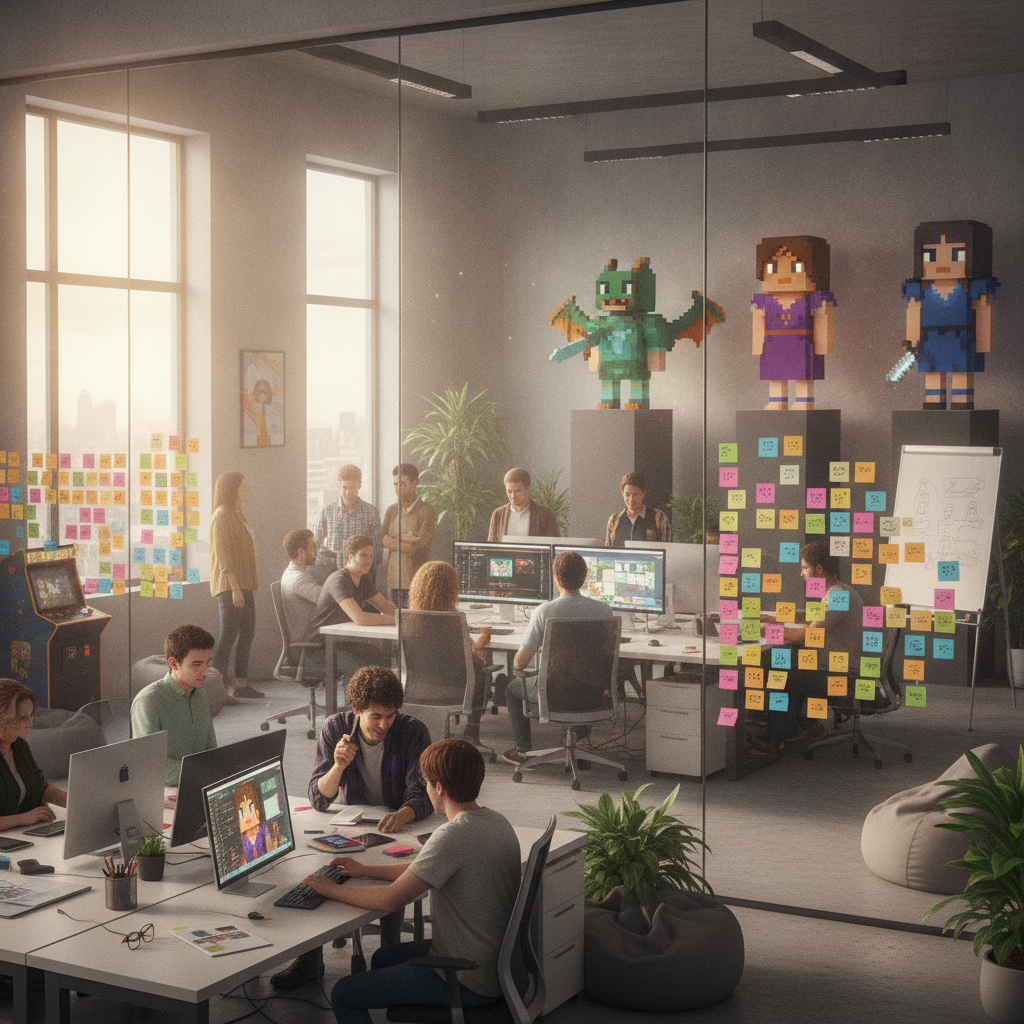
We reject the traditional industry paradigm of endless crunch. Instead, our workspace operates like a high-precision laboratory. We prioritize peerless engineering discipline, deep visual research, and technical autonomy.
We believe that clean, maintainable architecture in our codebase translates directly to highly optimized, bug-free experiences for players worldwide.
From Pixels to Polygons: Our Journey So Far
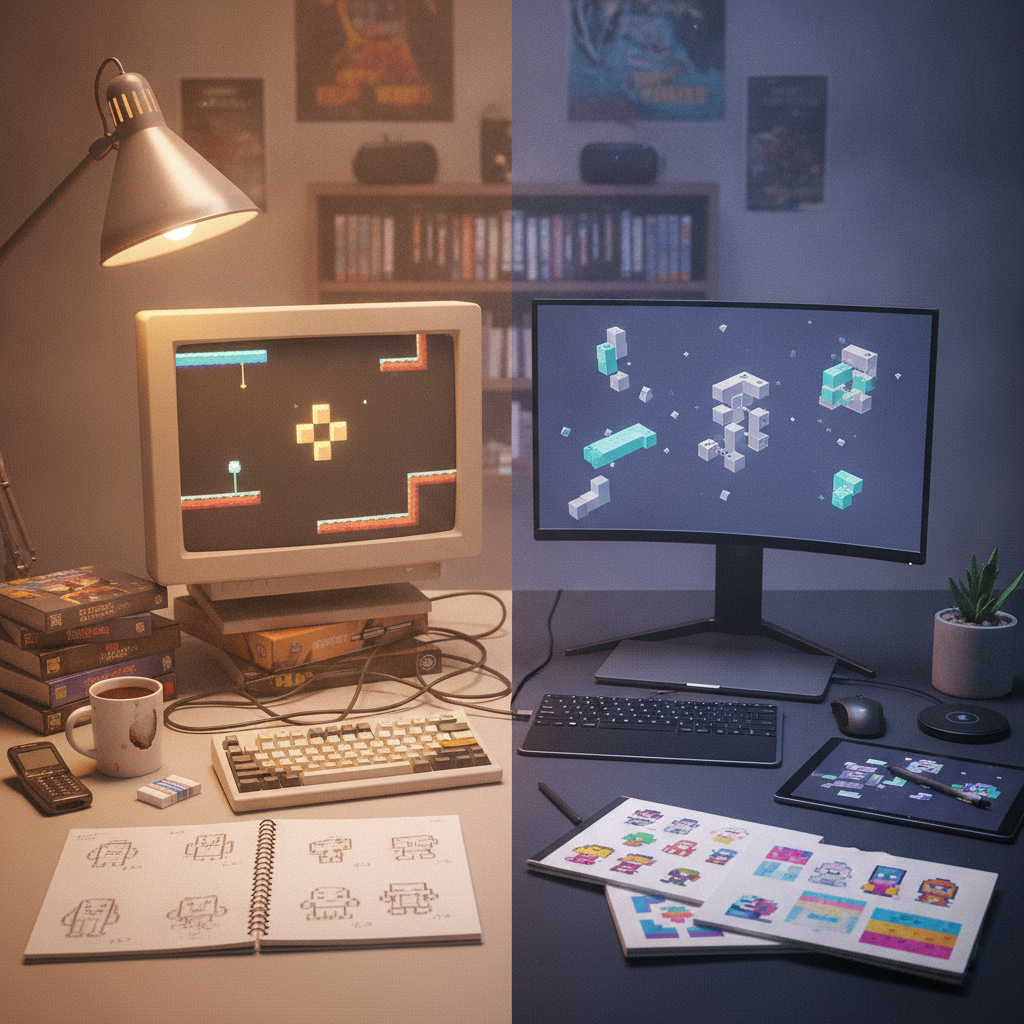
Voxel Quest Games was forged in 2018 in a small, industrial warehouse space. Originally operating as an experimental research unit, we engineered volumetric algorithms in isolation, publishing open-source engine papers that caught the attention of systems developers globally.
In 2021, we transitioned to full game production, deploying our proprietary Voxel-Core Engine (VCE-01) to build robust simulation sandbox systems. Our dedication to physics-first simulation quickly separated us from studios utilizing standard commercial middleware.
Today, we stand as an independent, fully capitalized engineering and design powerhouse, delivering complex sandboxes that challenge the boundaries of processing hardware and player agency alike.
Our Manifesto: The 3 Rules We Never Break
We rely on strict engineering constraints to drive our creative pursuits. These three unwavering principles define our architectural direction.
Inside the Engine Room
A glimpse into the technologies powering our simulation pipelines. Our proprietary suite operates completely localized on modern rendering APIs.
By utilizing multi-threaded task scheduling, we isolate our voxel processing arrays from the main thread. This allows us to run complex AI, heavy physical simulations, and intensive network packet synchronization simultaneously without dropping frames.
Calculates real-time diffuse illumination and physical shadow vectors directly inside voxel grids.
Our custom octree database optimizing memory footprint and physical collision calculations.
// CURRENT PORTFOLIO MODULES
Our technical framework is battle-tested in distinct genres, validating the flexibility of the Voxel-Core architecture.
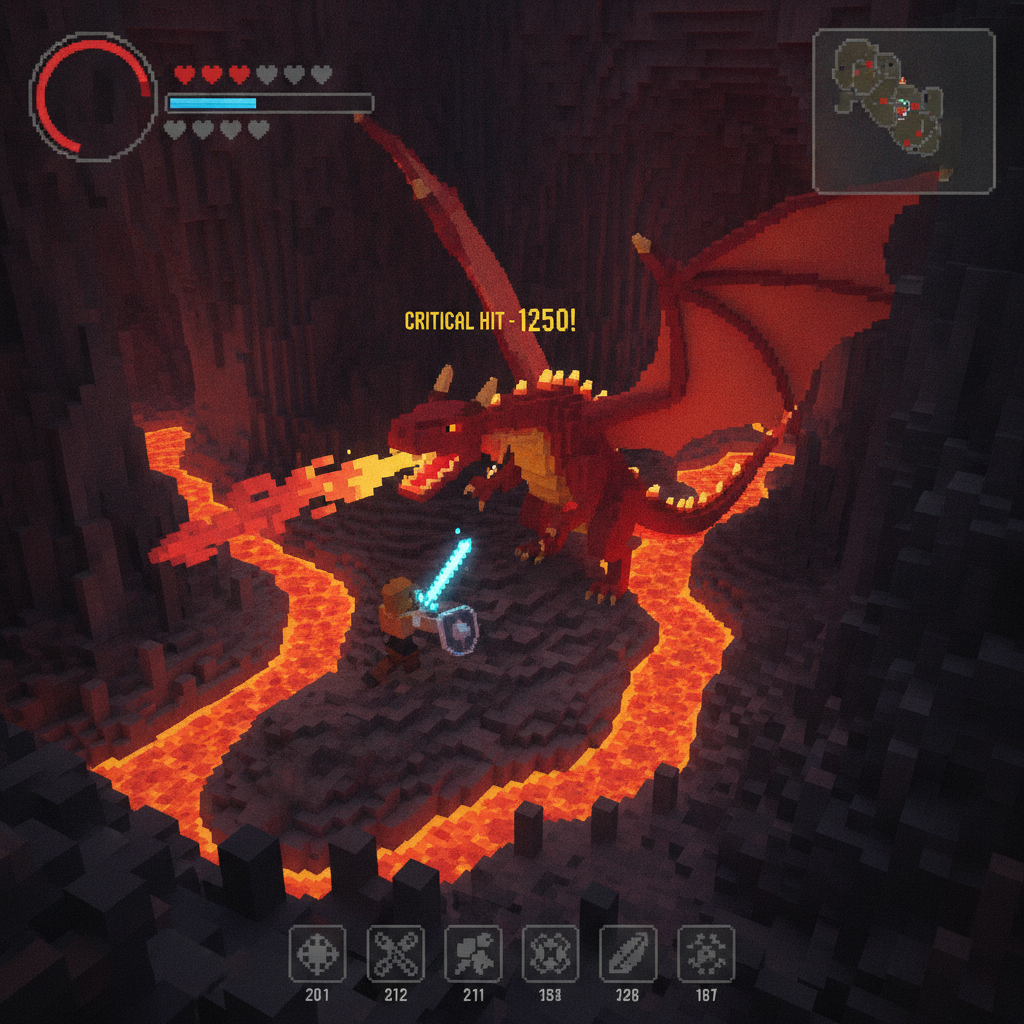 MODULE: RPG-CORE
 MODULE: SCIFI-CORE
Ready to Build With Us?
Whether you are an industry developer looking to license our proprietary engine systems, an aspiring technical artist, or a player with high expectations, we want to hear from you.